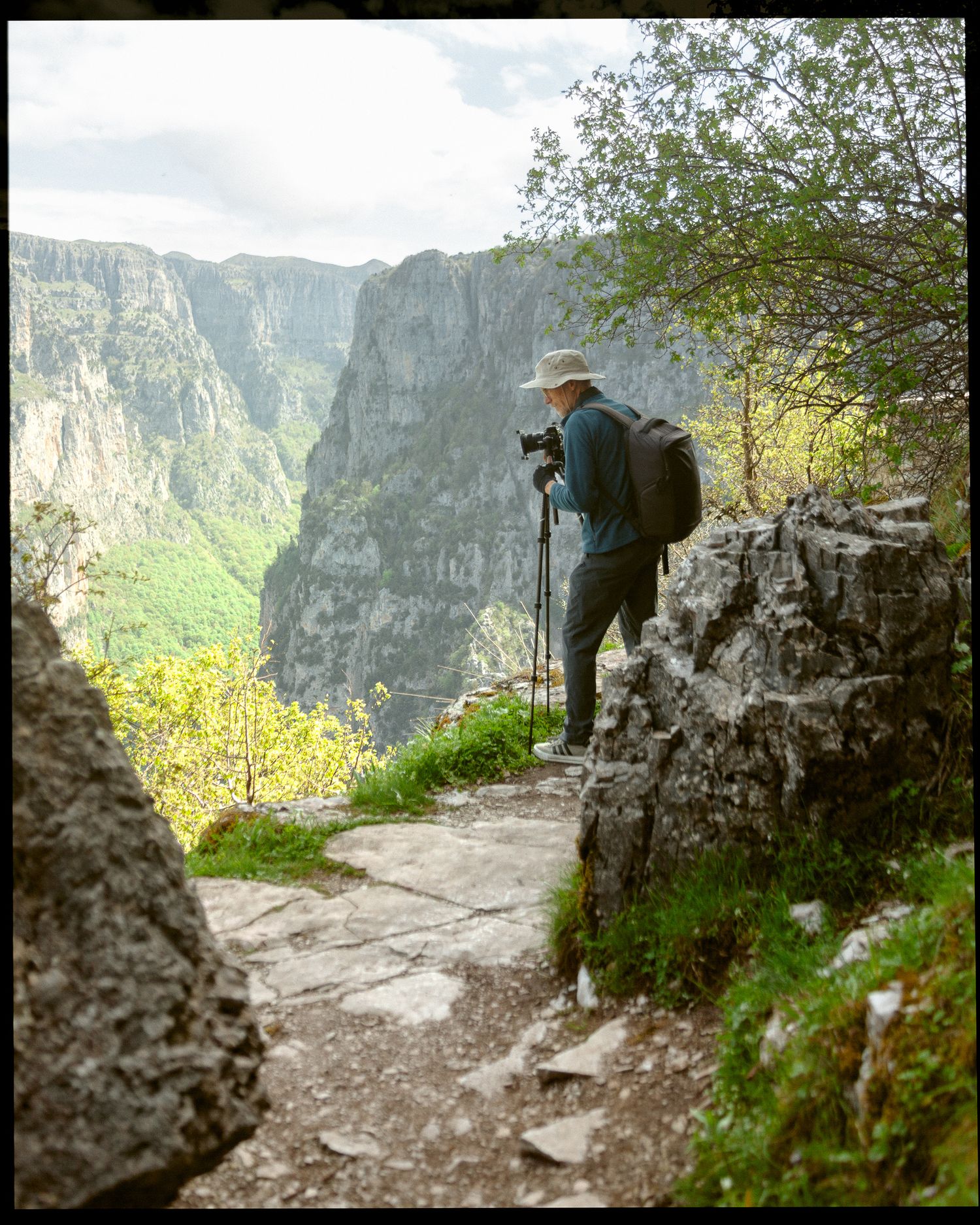
The first sight.
The first thing you notice is the silence.
Not the absence of sound, but the kind that makes every sound sharper — the wind moving through branches, a bird’s call echoing against stone.
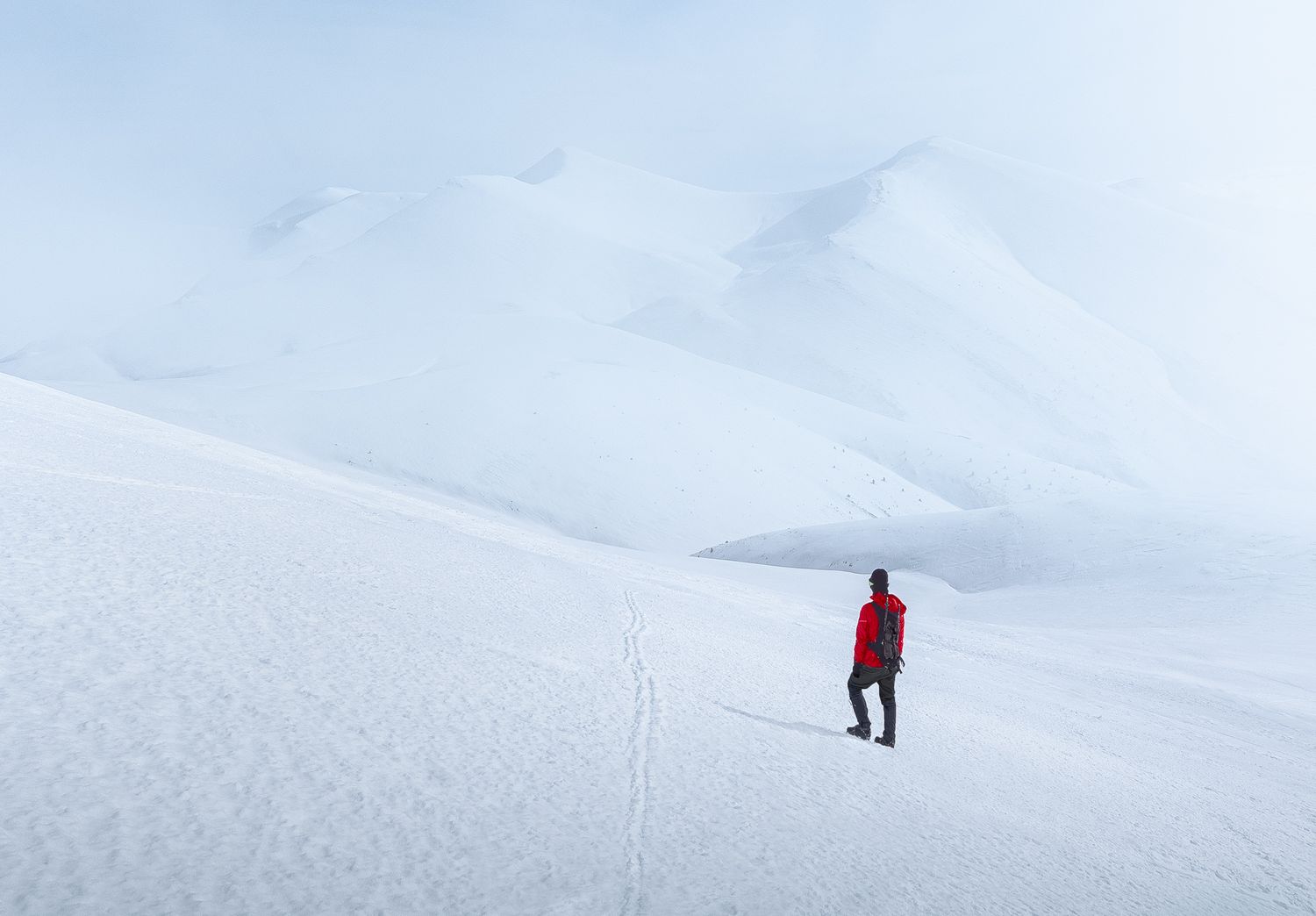
Standing at the base of a mountain, you don’t rush. You look up.
The scale makes you stop, makes you breathe differently.
Up here, distances are measured in hours, not meters
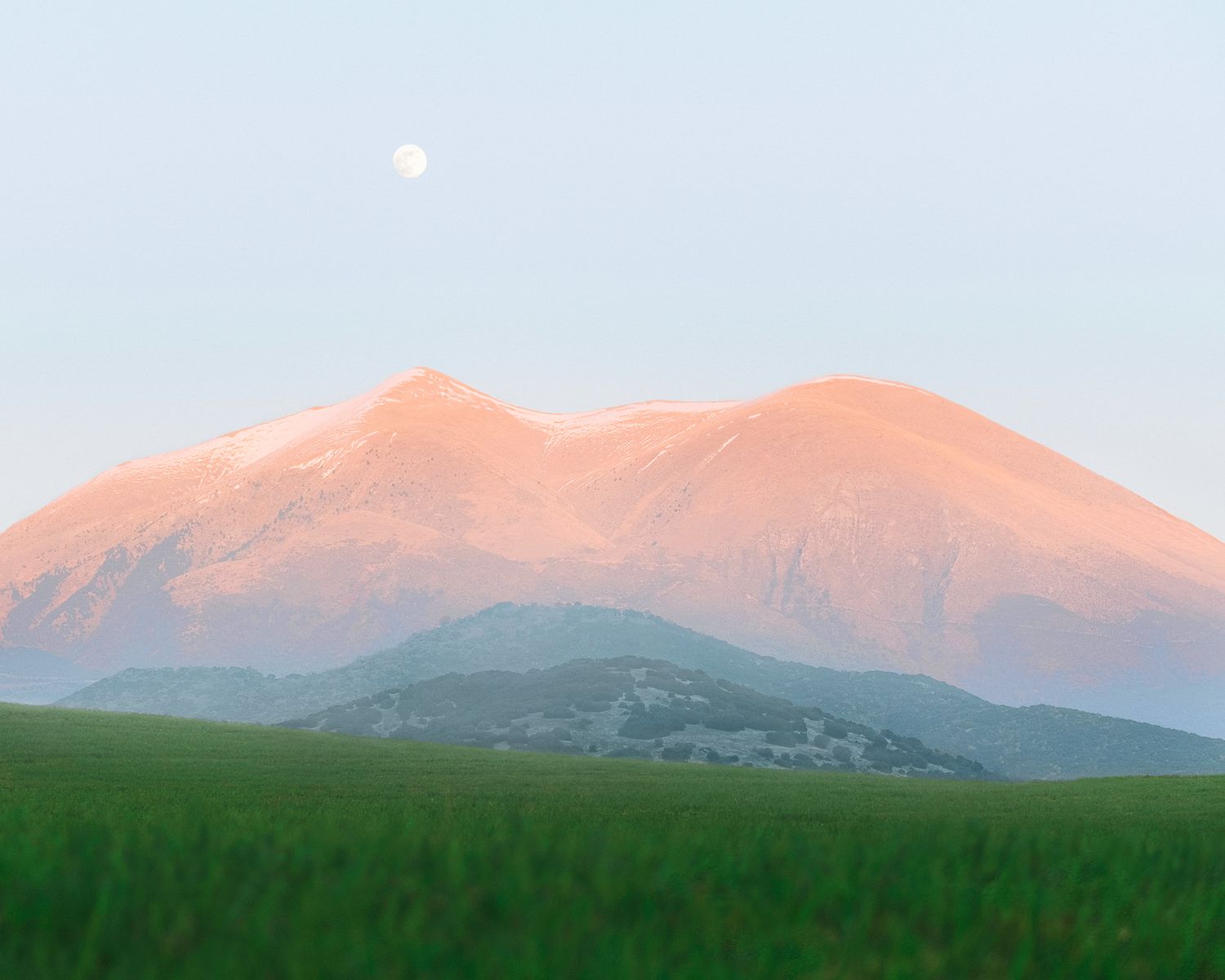
Paths carved by time.
I’ve walked trails where every step felt older than memory.
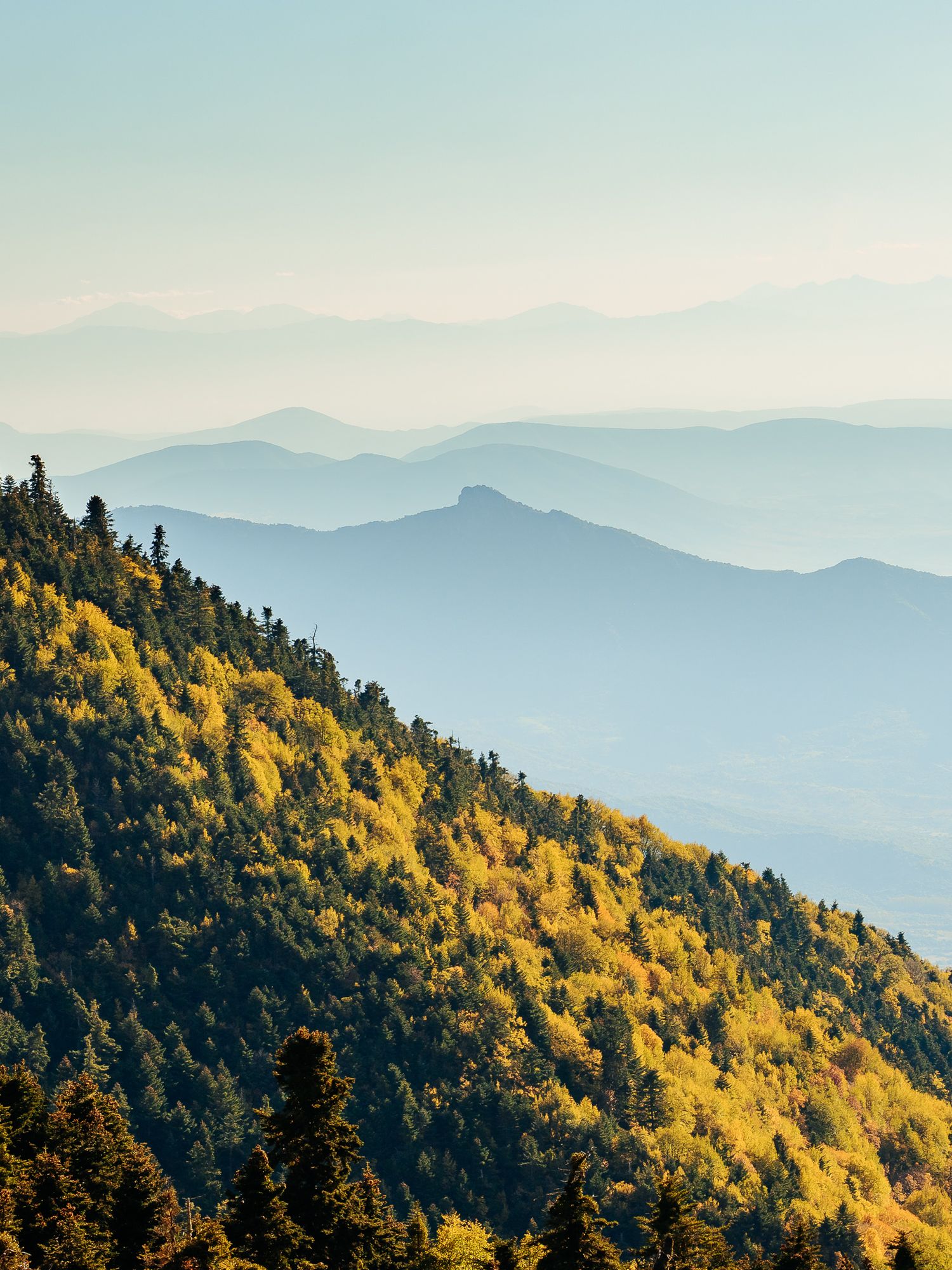
In Vikos, the cliffs rise like an unfinished cathedral, shaped not by hands but by centuries of wind and water.
Far from here, in other ranges, the feeling was the same — that quiet weight of something that has always been and will always be.
I love mountains because they strip away perspective in the best way.
Every time I stand before them, I’m reminded of how small I am, how small my problems are.
They’ve stood for thousands of years, untouched by passing storms, unmoved by the changing seasons.
We’re only guests here, brief and forgettable.
They remain.
Up here, you move at the mountain’s pace — slow, steady, and without the need to arrive quickly.
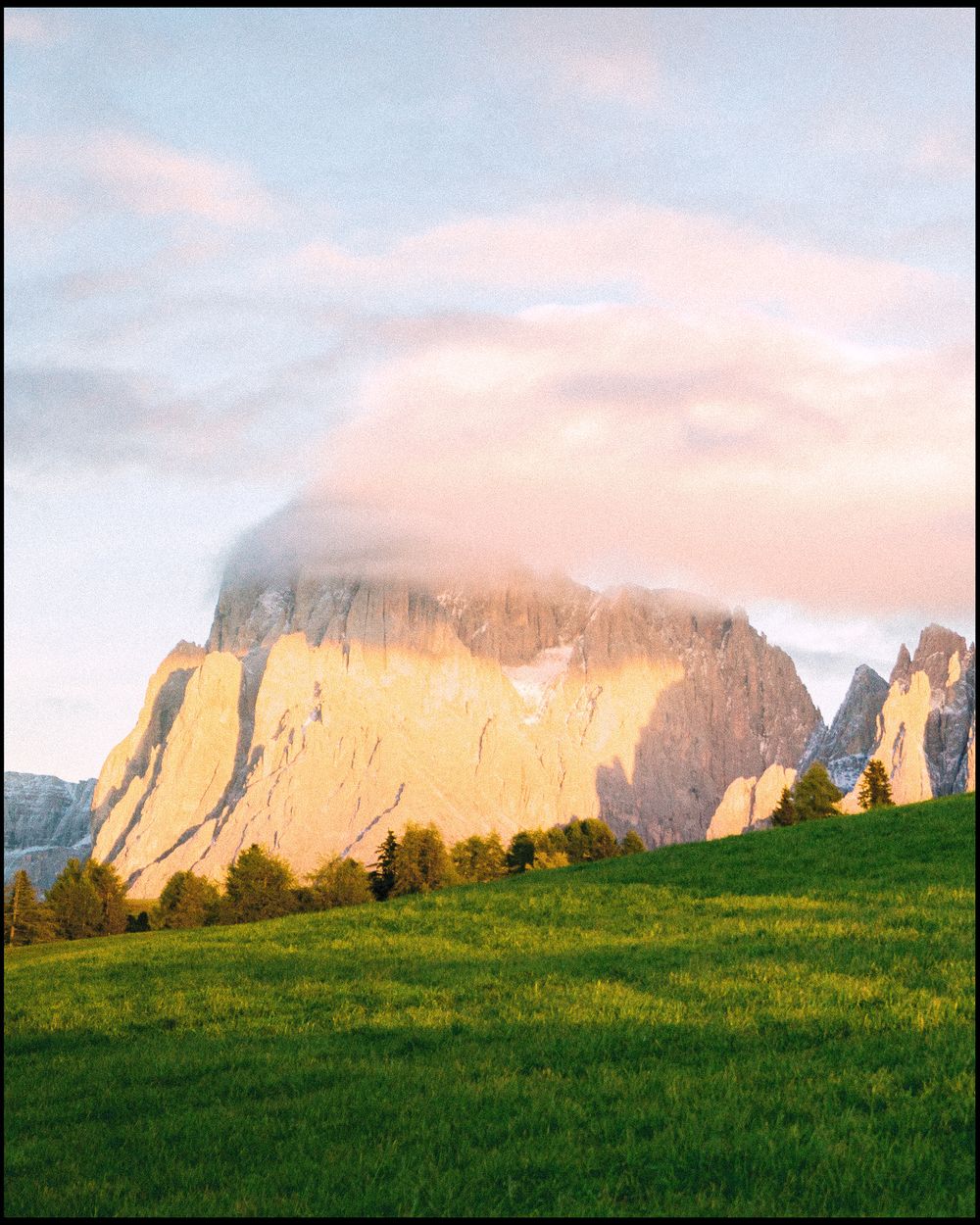
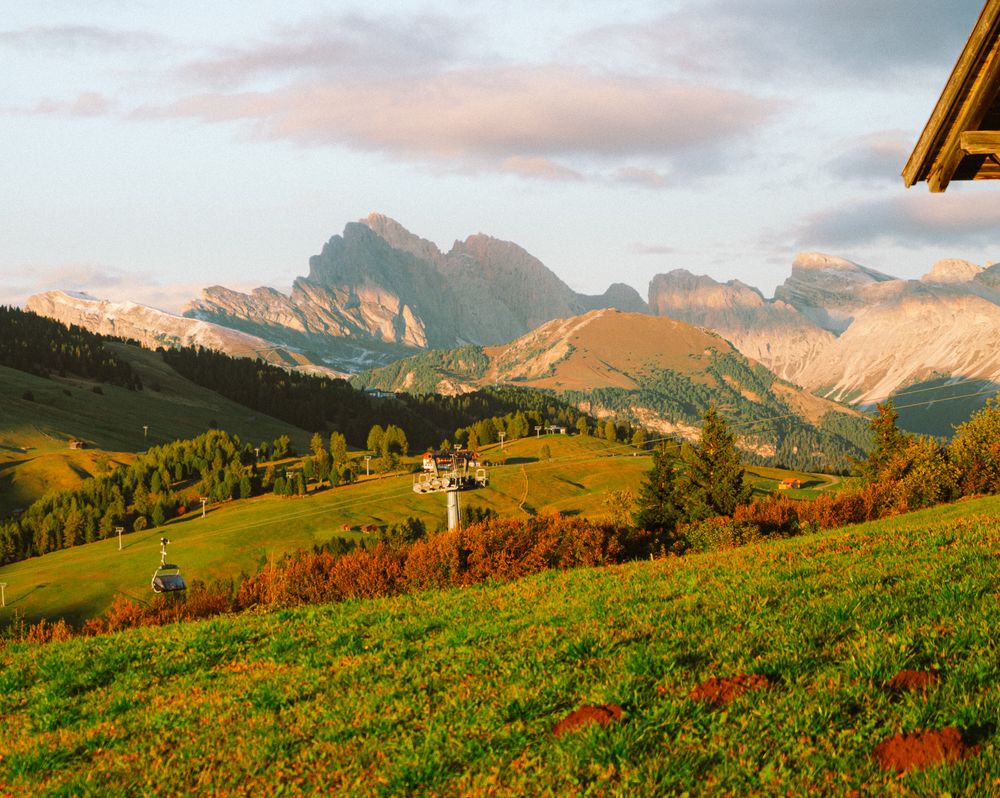
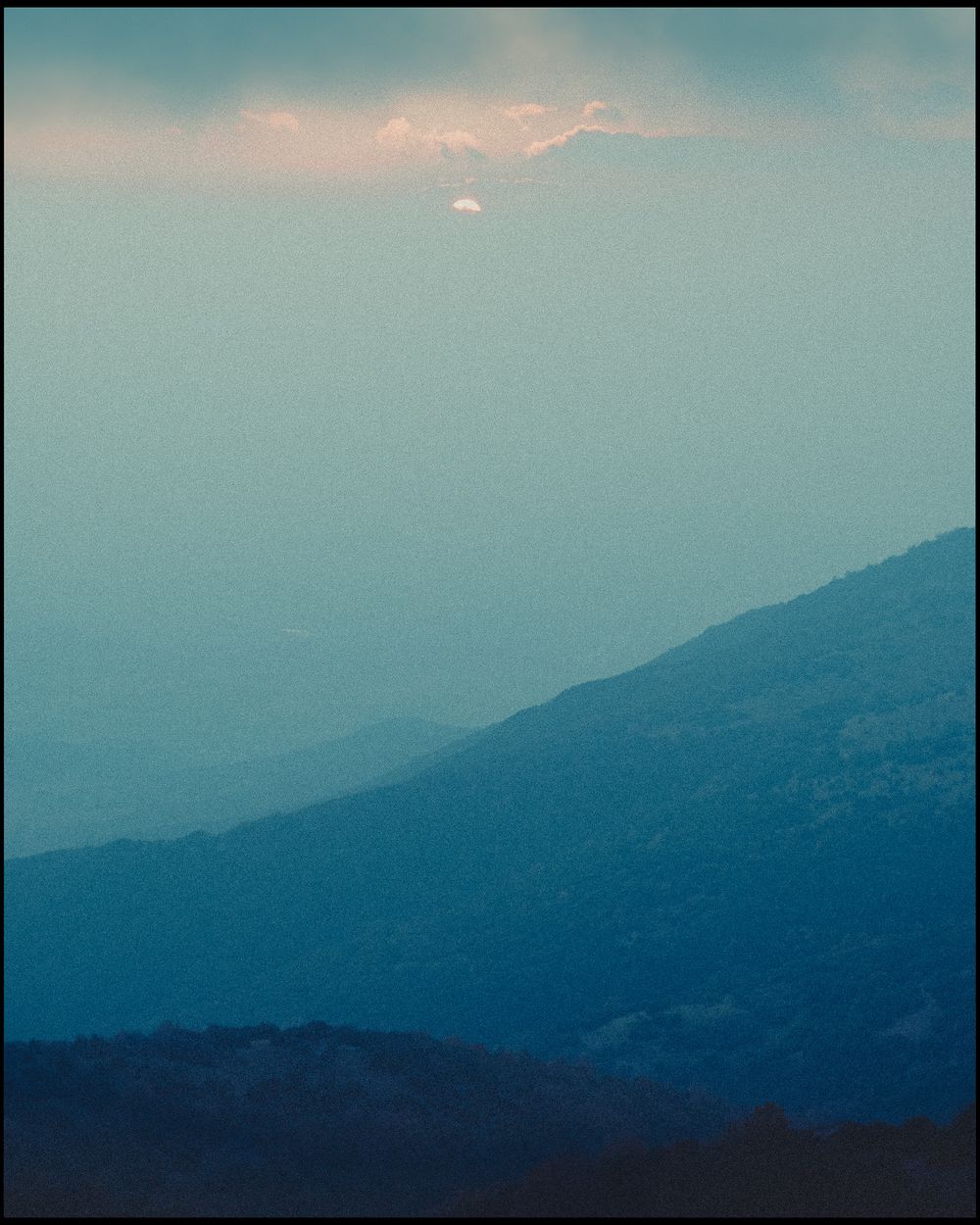
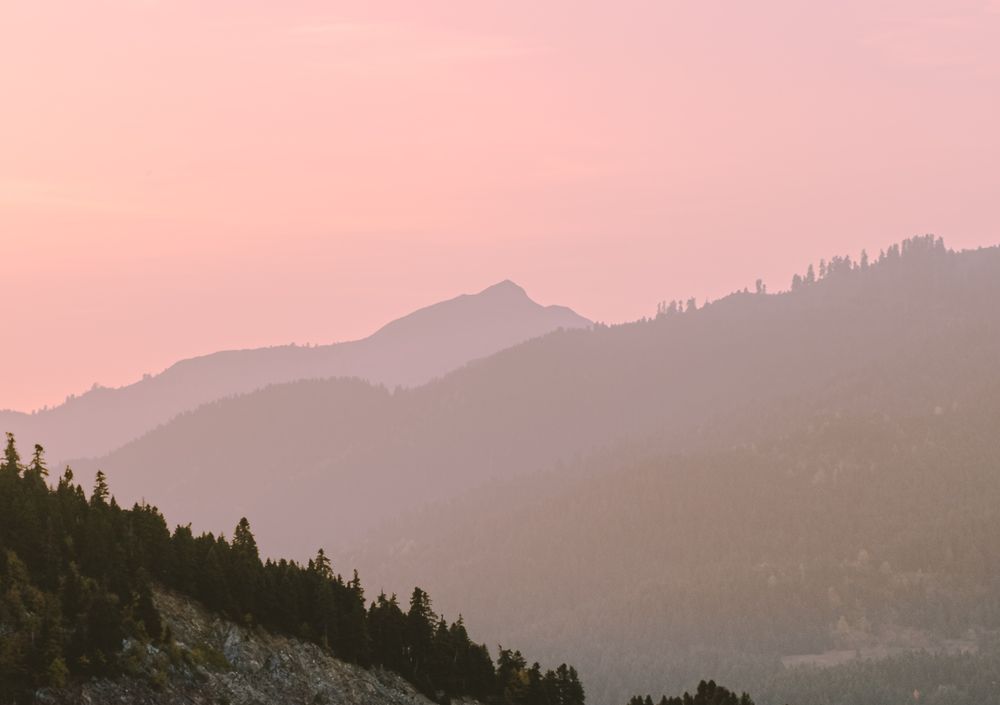
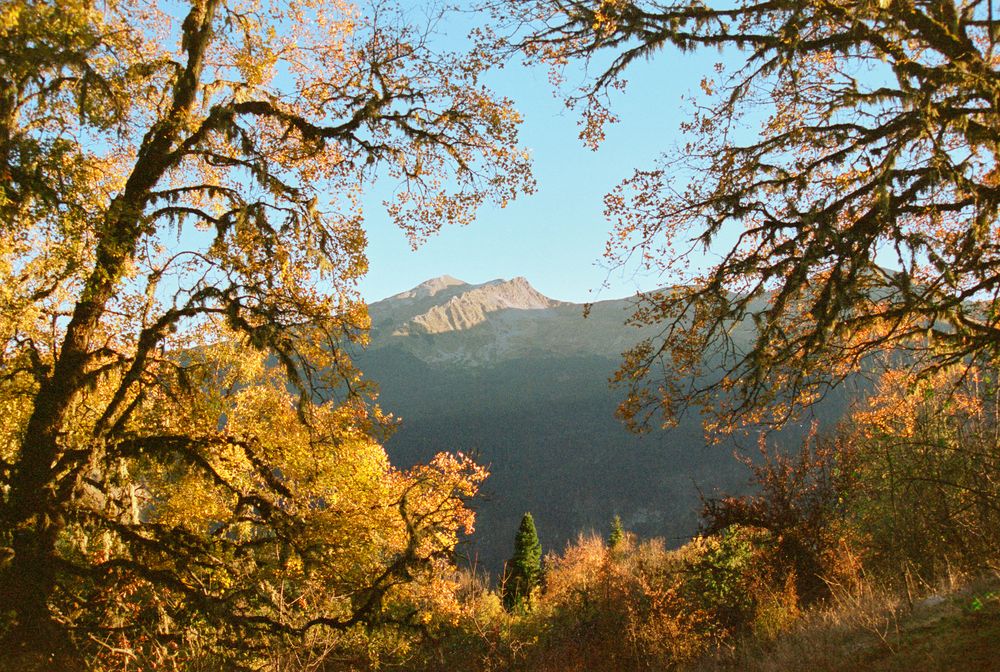
Evenings in the heights.
When the sun drops behind the ridges, the air cools fast.
Shadows stretch over the valleys, and the last light catches on the highest peaks.
Villages tuck themselves into the slopes, lights flickering on one by one.
At night, the silence deepens — not empty, but full of the mountain’s breath.
You feel it in your chest, a reminder that some places don’t need to be conquered.
They just need to be seen.
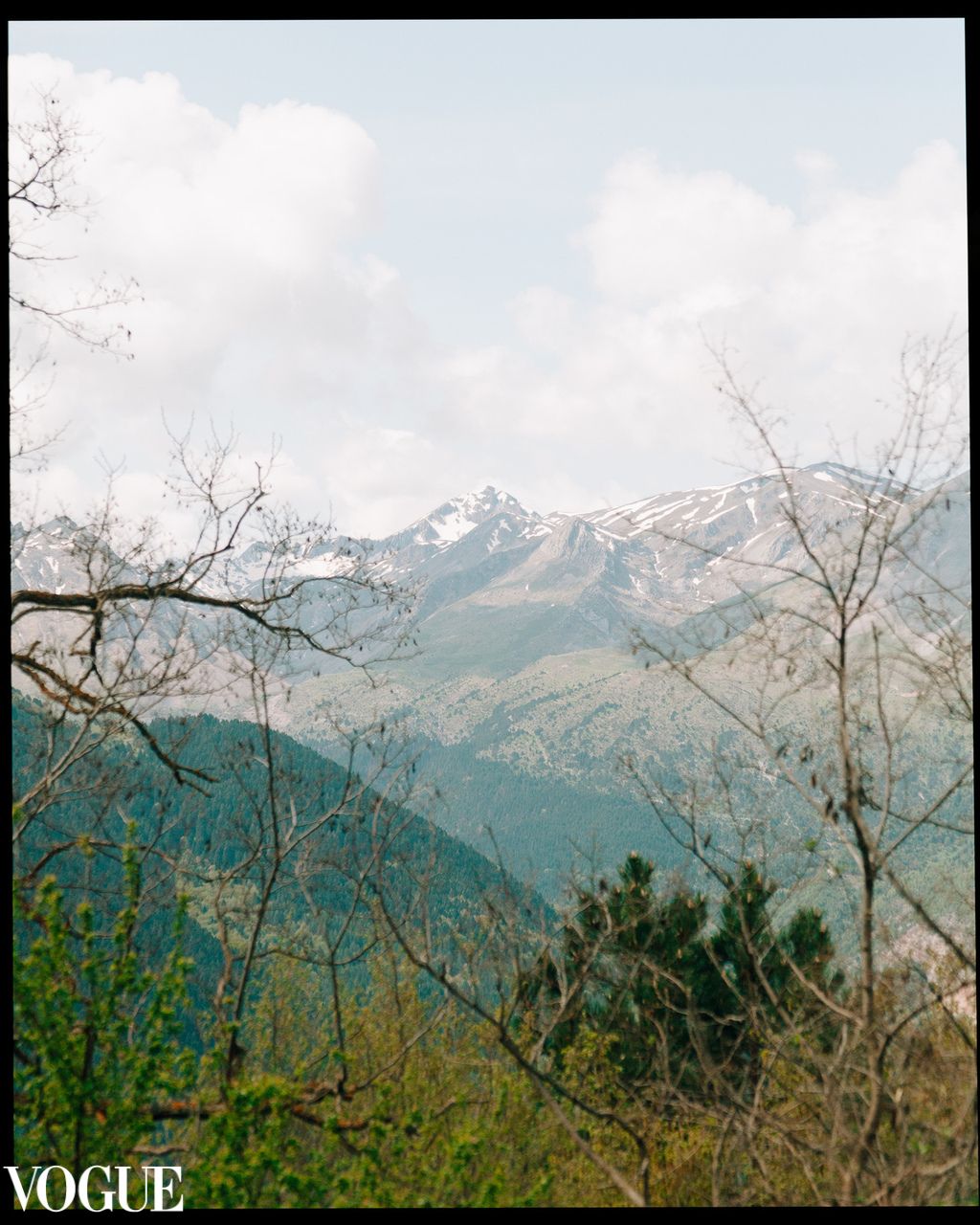
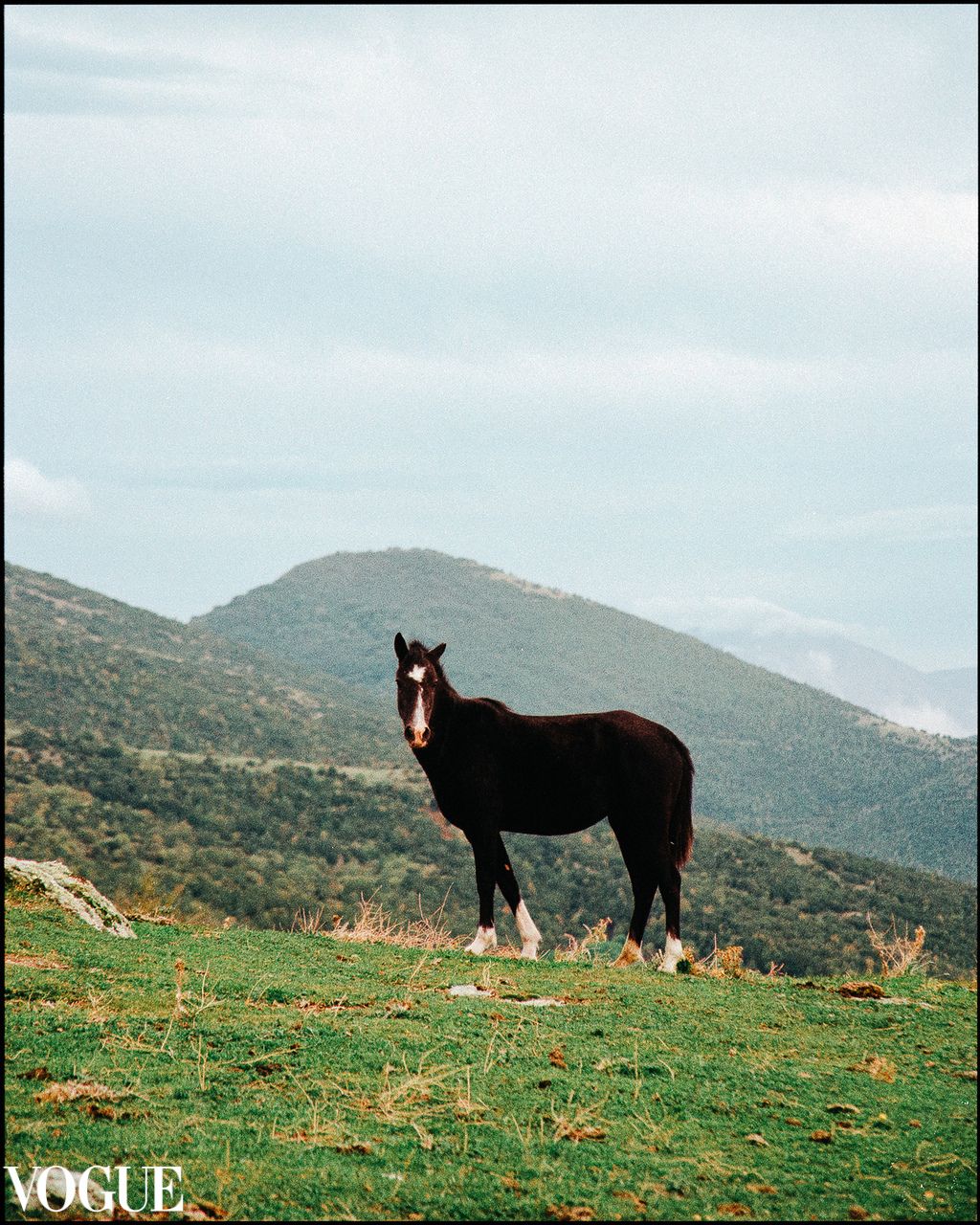
The mountain remains. We pass through.
The mountain has no memory for our names, yet it holds the shape of every storm and every winter. We are here for a moment — a breath, a footprint, a glance at its slopes. Then we go, and it stays, steady against the sky.
Our footsteps fade, our stories drift, but the stone endures.
Unmoved, patient, eternal.